The plot of a thriller will normally involve crime, corruption, homicide and conspiracy. They will revolve around one normally troubled character trying to solve a problem. The genre also has many hybrids such as.
-Action/Adventure Thrillers
-Crime Thrillers
-Film Noir Thrillers
-Political Thrillers
-Psychological Thrillers
-Techno Thrillers
-Supernatural Thrillers
-Sci Fi Thrillers
 Early films to be considered thrillers were silent movies such as, The Lodger (Alfred Hitchcock, who went on to make make many more famous thrillers) The Bat (Inspiration for Batman) and the German, Spione (Spies). This was the introduction of early thriller and the genre was not still in early development.
The next most note able thriller was another German film 'M' (1931) Another film directed by Lang (Spies) which was his first sound film. It features a serial child killer. As crime began to emerge into thrillers more. Other films of the 30s were films such as Number 17 (Hitchcock) which was about some jewelry thieves. The Drive by Night (1938) which is about urder of a young woman.
 The 40s saw a large increase in thriller films, and mainly those of a psychological nature. Hitckcock's Rebecca, Suspicion, Shadow of a Doubt, Spellbound and Rope. Which involved things such as mental asylums, serial killers and madness. The 40s also saw the immersion of some french thrillers such as Le Crobeau (1943). Many of these films were made due to the popularity of film noir at the time. Fritz Lang was now directing more american films instead of German ones.
 The 50s and early 60s continued to be dominated by Hitchcock, as he produced the famous Rear Window, Vertigo and North by Northwest, and then Psycho in 1960. During these decades there were only really Psychological thrillers, political thrillers and crime thrillers. Other note able films would be Invasion of the Body Snatchers one of the first sci fi thrillers.
The 70s brought bigger block busters and more hybrid genres. Such as Jaws which was about a shark is one of the most famous films of all time. Others such as The Godfather and Carrie are more examples of this being a Gangster thriller and a Horror thriller. Director Brain De Palma also emerged and produced films such as sisters (About some murdering Siamese twins). The 70s also brought an increase in European thrillers such as French, Italian, Spanish and German films. Invasion of the Body Snatchers remake (1978) saw a movement into increasing science fiction thrillers.
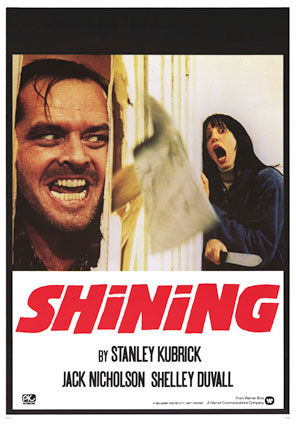 The 80s saw more hybrids such as The Shining (Horror Thriller) and Aliens (Science Fiction Thriller). the shining could also be considered a psychological thriller. And is a good example of thriller horror cross over. Also lead to more famous Stephen King based horror thrillers films.
90s saw films like, Die Hard 2, Point Break, Speed and other action thrillers. Also films like The silence of the Lambs. It's here were true pure thrillers started to diminish and action thrillers came to dominate, this may be due to a change of audience interest. Despite this famous crime thrillers such as Se7en and Primal Fear were made. The sixth sense was also a very successful supernatural thriller.
The Bourne Series and Blade series brought more crime,action and horror thrillers in the 00s. famous thrillers such as Phone Booth, Momento and The Butterfly Effect and Sin City were also released. These newer films are very different to the older films of the 40s. Excitement and action was in greater demand as the audience for cinema was expanding into younger age groups.

No comments:
Post a Comment